Local SEO for Small Business: A Beginner’s Guide to Getting More Local Customers
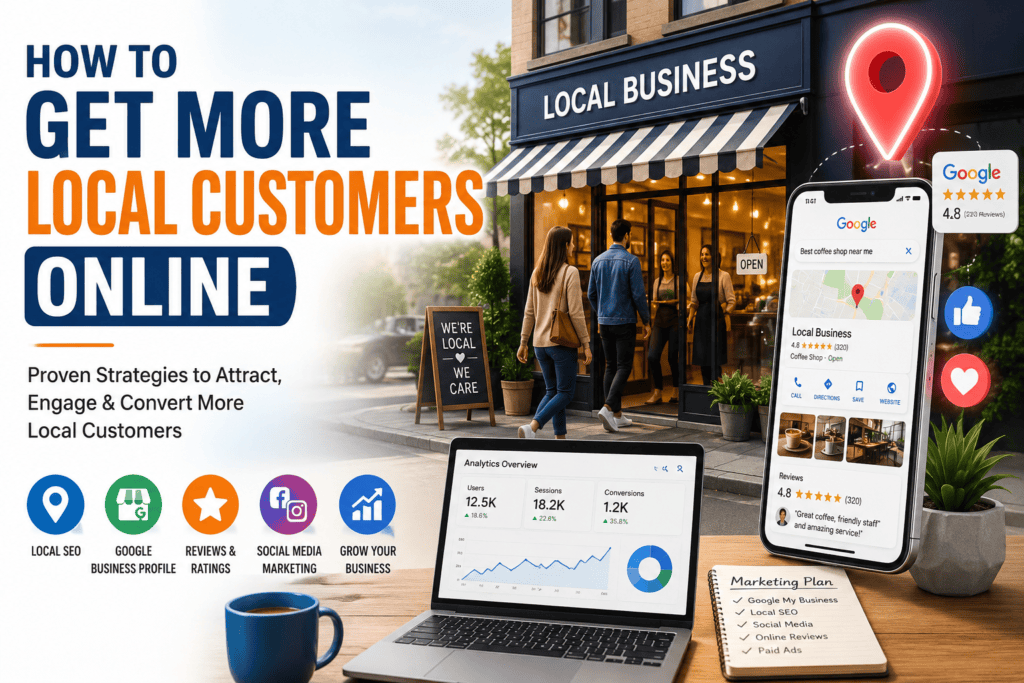
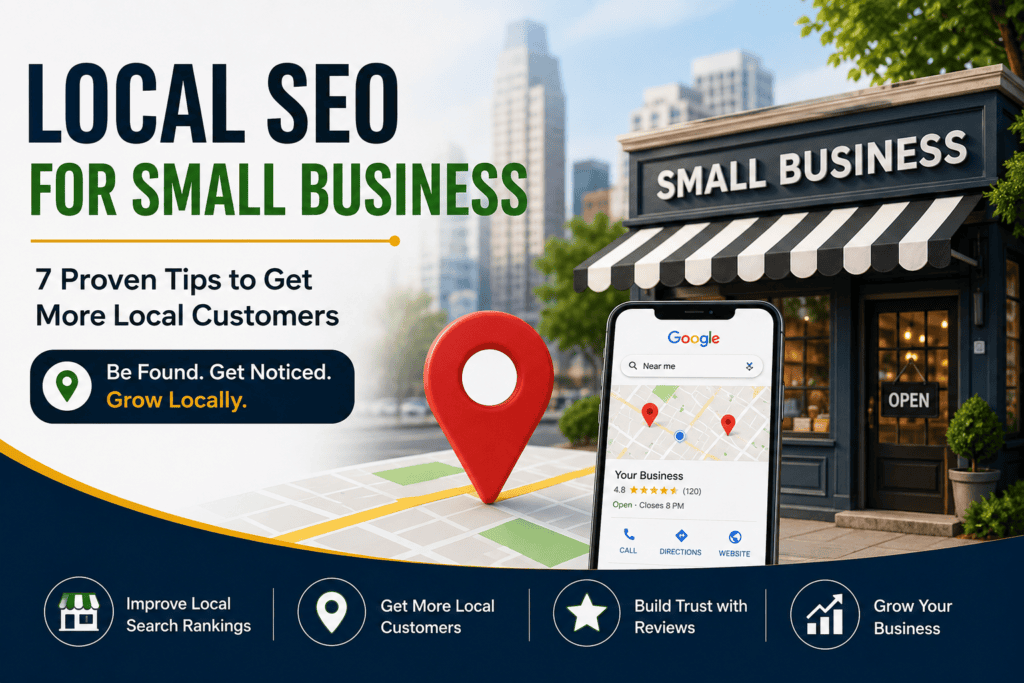
Running a small business is not easy. You may offer great products or services, but customers need to find you first. Today, most people search online before they visit a shop, call a business, or book a service. They often search for terms like “restaurant near me” or “best plumber in Delhi.” If your business does not appear in these local search results, you could be missing many potential customers. This is where Local SEO for Small Business becomes important. Local SEO helps your business appear in Google Search and Google Maps when people nearby are looking for what you offer. It increases your online visibility and helps you attract customers who are ready to buy. In this article, you will learn what Local SEO is, why it is important for small businesses, and simple ways to improve your local search rankings. Whether you own a local shop, restaurant, clinic, salon, or service business, these tips can help you reach more local customers. If you are new to online marketing, you can also read our guide on Why Every Business Needs a Website to understand why having a website is the first step to growing your business online. What Is Local SEO? Local SEO (Local Search Engine Optimization) is the process of improving your online presence so that your business appears in local search results. It helps people in your area find your business when they search for products or services you provide. For example, if someone searches for “coffee shop near me” or “best digital marketing agency in Delhi,” Google shows businesses that match the search and are located nearby. Local SEO helps your business become one of those results. Unlike traditional SEO, which focuses on improving rankings across a wider audience, Local SEO targets customers in a specific city, town, or area. This makes it especially useful for small businesses that serve local customers. A strong Local SEO strategy can help your business appear in: When your business appears in these places, more people can discover your brand, visit your website, call your business, or come directly to your location. This makes Local SEO one of the most effective ways for small businesses to grow online. Why Local SEO for Small Business Is Important Local SEO is one of the best ways for small businesses to attract nearby customers. People who search for local businesses usually need a product or service quickly. If your business appears in those search results, you have a better chance of getting new customers. Here are some of the biggest benefits of Local SEO: Helps Local Customers Find Your Business Many people search online before visiting a store or contacting a business. Local SEO makes it easier for customers in your area to discover your business. Increases Website Traffic When your business appears in local search results, more people visit your website to learn about your products, services, prices, or business hours. Generates More Calls and Enquiries Many local search results include a phone number and directions. This makes it easy for customers to call you or ask for more information. Brings More Store Visits If you have a physical shop or office, Local SEO can help more people visit your location. Customers often choose businesses that are nearby and easy to reach. Builds Trust Through Customer Reviews Positive reviews show that other people have had a good experience with your business. Businesses with good ratings often receive more clicks and enquiries. Gives You Better Quality Leads Local SEO attracts people who are already looking for the products or services you offer. This means the visitors are more likely to become paying customers. For small businesses with a limited marketing budget, Local SEO is a smart investment. It helps you reach the right audience without spending a lot on advertising. Local SEO works even better when combined with other digital marketing strategies. Learn more in our article How Digital Marketing Helps to Grow Your Business. How Local SEO Works Google wants to show users the most useful and relevant local businesses. When someone searches for a nearby product or service, Google looks at several factors before deciding which businesses to display. Relevance Google checks how closely your business matches the user’s search. A complete business profile, clear service descriptions, and relevant keywords help Google understand what your business offers. Distance Google also considers how close your business is to the person searching. Businesses located near the searcher are more likely to appear in local results. Prominence Prominence means how well-known and trusted your business is online. Google looks at things like customer reviews, ratings, backlinks, and mentions of your business on other websites. Accurate Business Information Your business name, address, phone number, website, and opening hours should always be correct and consistent across all online platforms. This helps Google trust your business information. Customer Reviews Reviews are an important part of Local SEO. Businesses with more genuine positive reviews often perform better in local search results because they show trust and customer satisfaction. When you regularly update your business information, collect customer reviews, and keep your website optimized, Google is more likely to show your business to people searching in your local area. This can lead to more website visitors, phone calls, and customers. 7 Local SEO Tips for Small Business Local SEO does not have to be complicated. Even small changes can make a big difference. If you follow the tips below, your business will have a better chance of appearing in local search results and reaching more customers. Once your local customers find your business, the next step is turning them into leads. Read our article How to Generate Leads Online: 6 Proven Strategies That Work to learn more. 1. Claim and Complete Your Google Business Profile Your Google Business Profile is like your online business card. It shows important details such as your business name, address, phone number, website, working hours, and customer reviews. Fill in every section of